Turn Chores into Games by Using a Leaderboard
Discover creative ways to transform tedious household tasks into exciting family games. Learn how to gamify chores and make cleaning fun for everyone!
Article Contents
We've been waiting for cleaning robots since The Jetsons promised them in the 1960s. Rosie the robot maid could vacuum, do laundry, and probably file taxes. What did we actually get? The Roomba, which bumps into furniture and occasionally terrorizes the family pet.
Until robots can fold laundry and load dishwashers, someone in your house has to do it. The question is how to make that someone willing — or even enthusiastic.
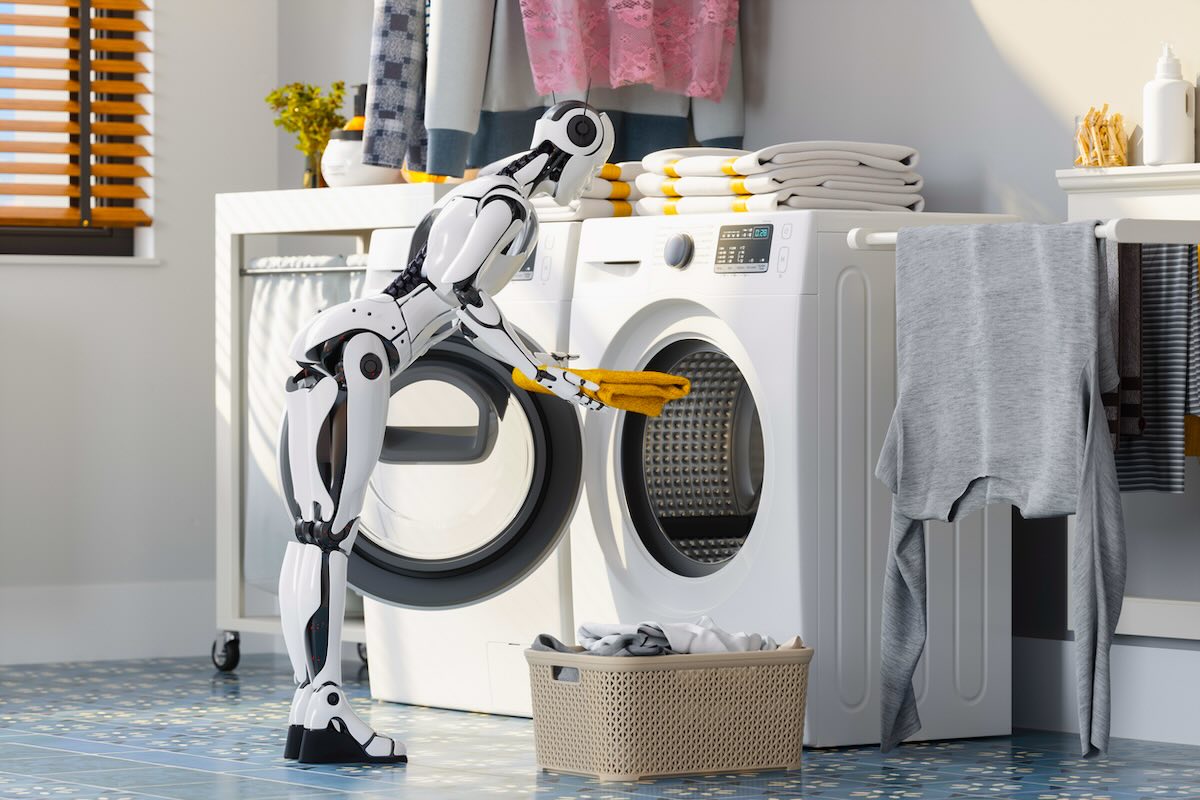 A robot loading washing into another robot
Why Gamification Works
A freshly vacuumed room feels great. Getting there feels like drudgery. That gap between effort and reward is where most chore systems fail — the work happens now, the satisfaction comes later (and briefly).
Gamification closes that gap by adding immediate feedback: points earned, progress tracked, rankings updated. Suddenly the dishwasher isn't just a chore. It's 15 points toward this week's prize.
Better motivation. Points and rankings provide external rewards. Completing challenges provides internal satisfaction. Both beat nagging.
Less procrastination. When chores have a scoring system, "I'll do it later" becomes "I'll fall behind." Deadlines work.
Reduced conflict. Instead of arguing about who did what last time, everyone can see the leaderboard. The data settles disputes.
Skill building. Winning requires strategy — which tasks to tackle first, how to work efficiently, when to push for bonus points. Kids learn planning without realizing it.
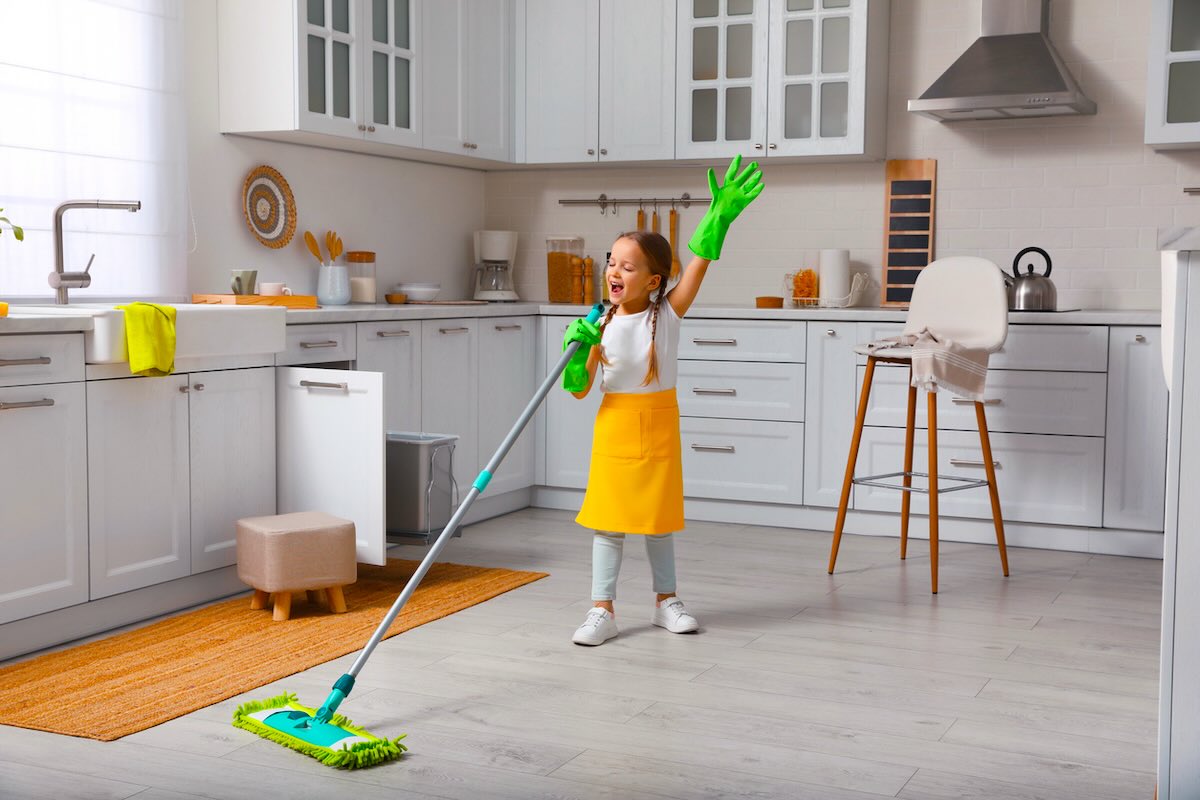 It's all about the mindset
Building Your Chore Game
Define the Tasks
Start with chores everyone can handle: loading the dishwasher, taking out trash, vacuuming, making beds, putting away toys. Write them down.
Assign Point Values
Harder tasks should earn more points. Taking out the trash might be 5 points. Cleaning the bathroom might be 20. Be consistent — changing values mid-game creates resentment.
Create Challenges
Daily challenges work well for routine tasks: make your bed, clear your plate, put away your backpack.
Weekly quests can be bigger: complete all laundry from wash to folded, clean the entire kitchen, organize the garage.
Set Up Rewards
Badges like "Chore Champion" or "Household Hero" cost nothing and kids love collecting them. Bigger rewards — screen time, later curfews, actual money — might be needed for teenagers.
For family goals, let everyone pool points toward shared rewards: pizza night at 500 combined points, a family outing at 2,000.
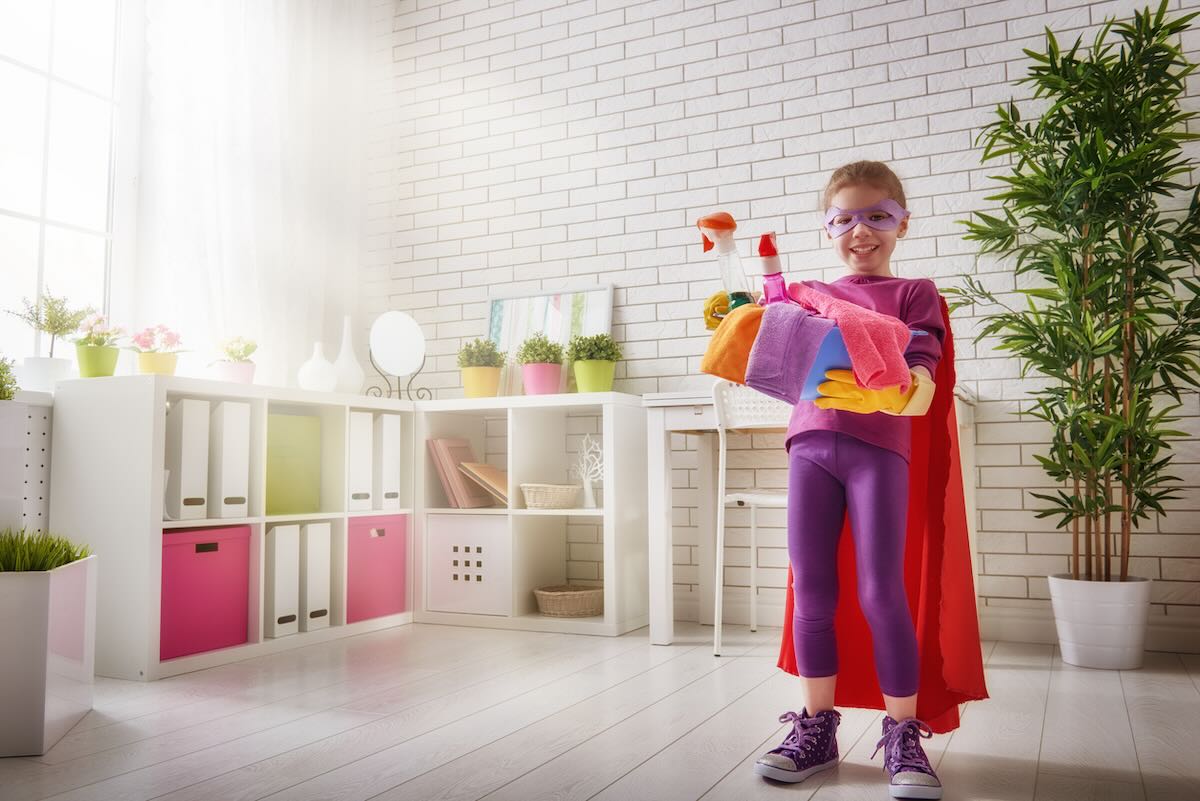 Super cleaner
Adjusting for Different Ages
Young Kids (5-10)
Turn individual chores into mini-games. A stuffed animal toss to clean up toys. A sock-matching race for laundry sorting. A vacuum pattern challenge (can you make perfect lines?).
Points should come quickly and frequently. Young kids need immediate feedback to stay engaged.
Teenagers (11-17)
Competition works better than cuteness. Pit teens against each other or against adults. Who can finish fastest? Who maintains the highest weekly average?
Adjust rewards to what they care about: device time, later curfews, money toward things they want.
Adults
Adults are harder to gamify — the intrinsic reward of a clean house should be enough. (It often isn't.)
Try reframing chores as equivalents to other goals. An hour of gardening equals 30 minutes of exercise. Decluttering counts toward your donation goals. Mowing the lawn is outdoor cardio.
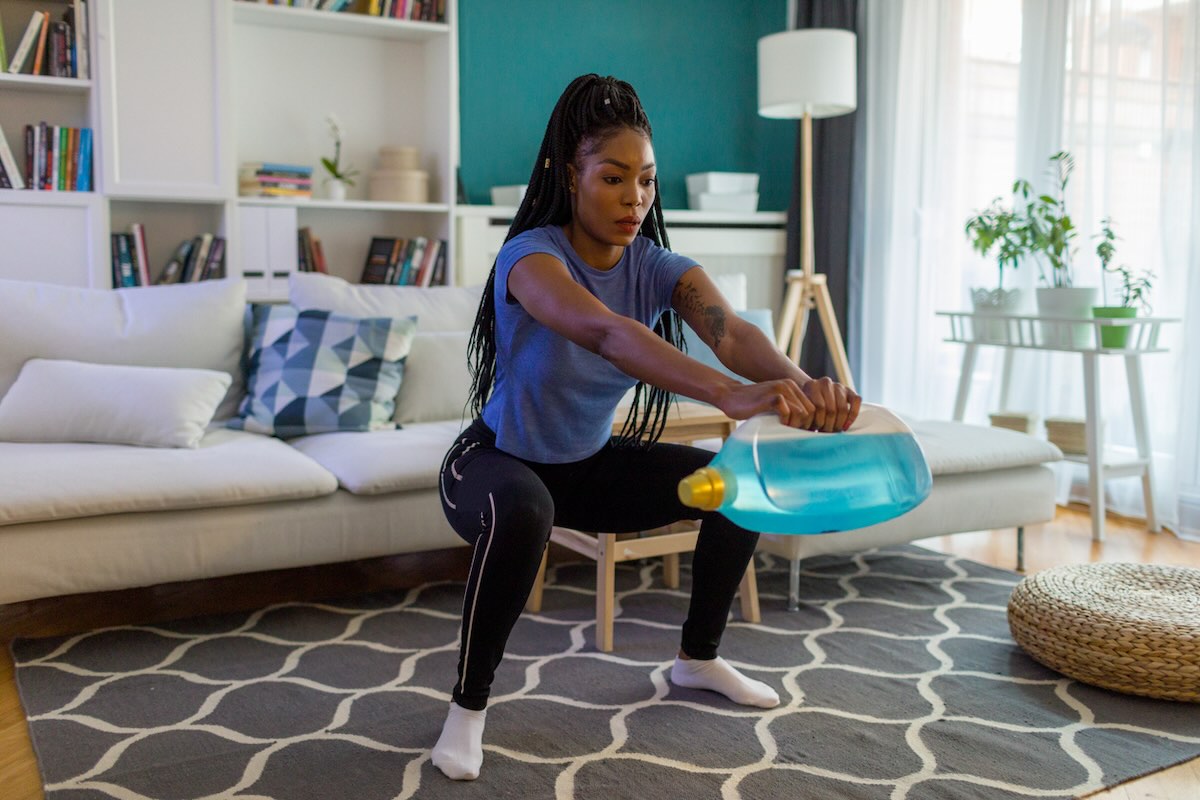 Combining things you love?
Tracking Scores with Leaderboarded
Simple Leaderboard
For straightforward point tracking:
- Click the button above.
- Enter family member names and set "chore points" as your unit.
- Pick a theme and title in settings.
- Update points as chores get completed.
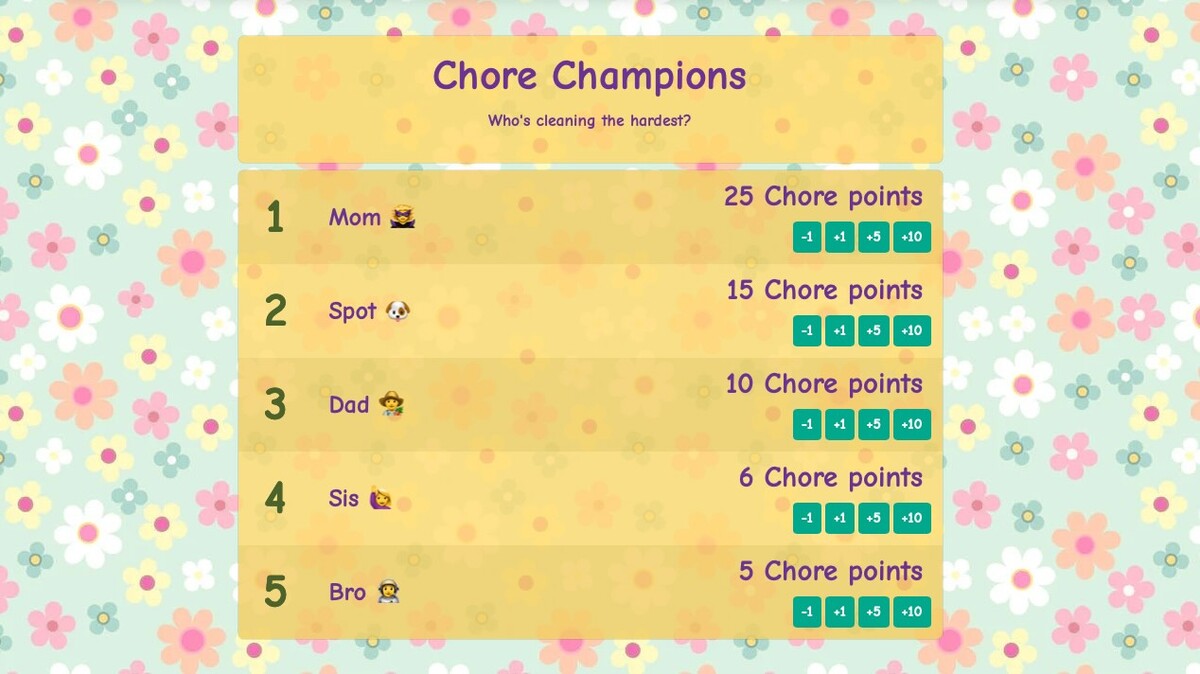 A family chore leaderboard
Scoresheet with Rounds
To track specific tasks separately — vacuuming, mopping, laundry — use a scoresheet:
- Click the button above.
- Enter family member names.
- In settings, describe each round: "Round 1: Vacuuming; Round 2: Mopping; Round 3: Laundry."
- Score each category as tasks get done.
This format shows who's contributing where, not just total points.
 A family chore scoresheet with rounds
Keeping It Fresh
Gamification loses power when it becomes routine. Prevent staleness with these tactics:
Add new chores as kids grow. A 12-year-old can handle tasks that were too complex at 8. Expand the list.
Create seasonal themes. October chores in costume. December's "Elf of the Week" badge. Summer outdoor challenge.
Introduce random bonus days. Huge mess in the kitchen? Announce double points for anyone who helps clean it up.
Allow custom avatars. Let each family member design how they appear on the leaderboard.
Try role reversal. One day per month, kids assign chores to adults. They pick what gets done and who does it.
The real reward is a cleaner house. But if competition makes the work more bearable — and distributes it more fairly — that's a win worth tracking.

Written by Caspar von Wrede
Founder of Leaderboarded. Building tools that help teams track progress and stay motivated.