Golf Contest Scorekeeping as a Lead Generation Strategy
How The Simulator Specialists turned golf contest scorekeeping into a lead generation engine, running 15+ events monthly with mobile leaderboards and QR codes.
Article Contents
Scorekeeping as a Sales Strategy

At golf events, vendors compete for attention. Most rent a booth, hand out flyers, and hope someone stops. The Simulator Specialists, a Southern California company that sells and installs golf simulators, took a different approach: they became the people running the contest.
Closest-to-pin and long-drive competitions are a fixture at charity tournaments, corporate outings, and trade shows. Someone needs to manage the scorekeeping. Shane and his team stepped in—not to charge for it, but to use it as a reason to be at events where simulator buyers gather.
The scorekeeping is free. The leads are the product.
What They Were Using Before
Before switching to Leaderboarded, the team tracked scores in Google Sheets on an old tablet. Results displayed on an LCD monitor at the booth.
"We'd have it open on an old Microsoft tablet and ask people to come and swing. We'd input their data with phone numbers, email address, based on if the client wants to give out prizes."
The problem wasn't the data entry—it was everything that happened after someone walked away from the booth. If your score got beaten, you wouldn't know. You couldn't share the leaderboard with friends. After the event, the data went out as a PDF if the organizer bothered to send it.
At one point they had a developer convert the sheets into a custom web page. Still offline-only. Still not solving the core problem.
If you're still using spreadsheets for contest tracking, you can connect your spreadsheet directly to Leaderboarded and get a live display without changing your workflow.
How They Found the Right Tool
The switch happened at a trade show. Someone from the team noticed another vendor running a golf contest with a live leaderboard on participants' phones.
"We saw someone using it at a trade show. I remember that. And we had asked them what they were using, and then we did our research and it was just a no-brainer."
Two years later, Leaderboarded runs every contest they do—15+ per month across Vegas, San Francisco, Arizona, New York, Florida, Tennessee, and more.
How It Works at Events
The setup is simple. At each event, participants scan a QR code placard to pull up the live leaderboard on their phones. Shane or another team member updates scores from an iPhone as contestants complete their shots. The leaderboard stays live after the event, so organizers and winners can check back later.
Organizers can take this a step further with QR code sign-up: contestants scan a code and add themselves to the board, so staff don't have to enter every name.
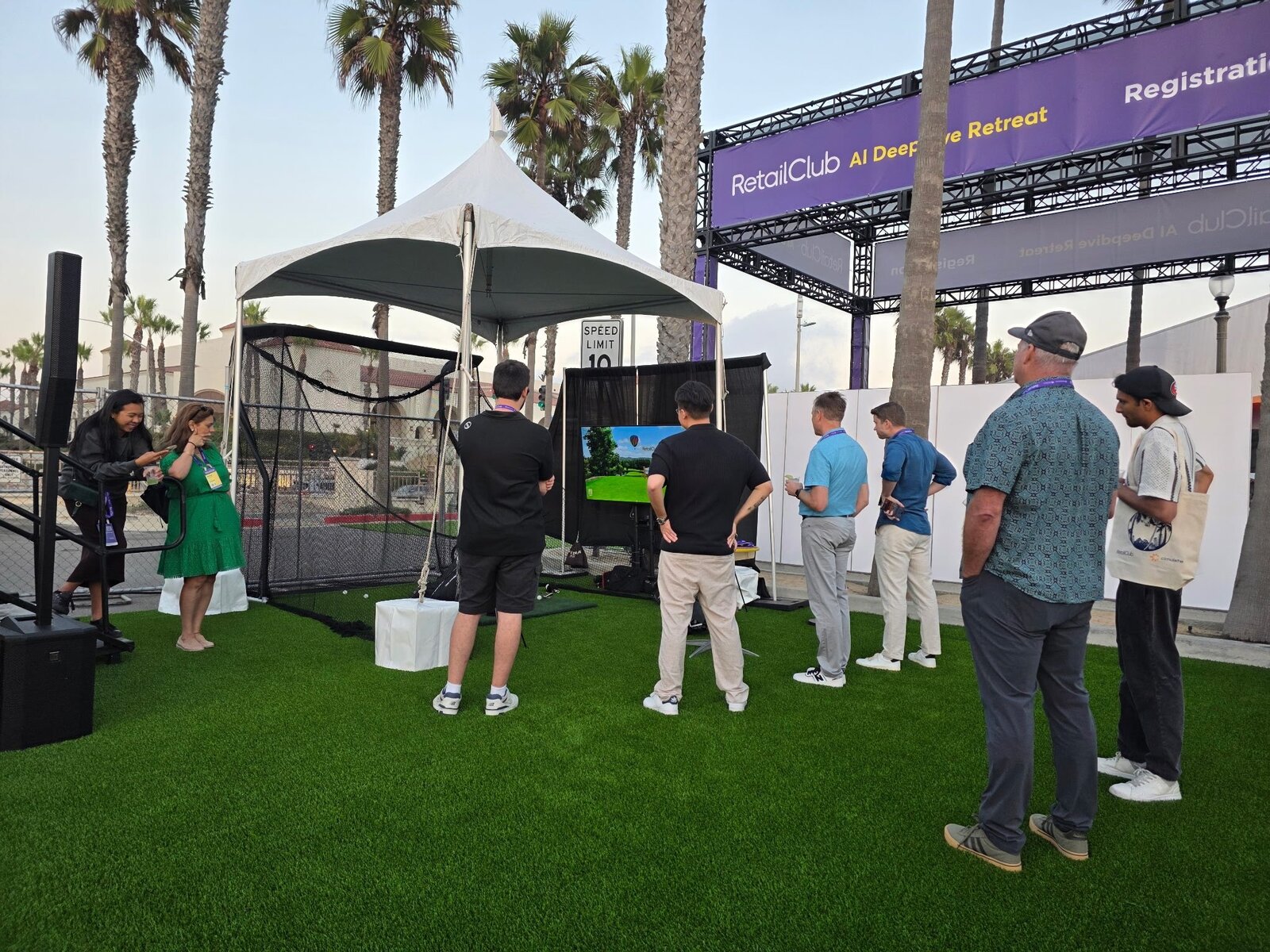
They run two contest types: closest to the pin (distance to hole) and long drive (farthest ball). A single-score leaderboard format keeps it readable on small screens. At large trade shows with 500+ golfers, they condense the board to show top performers only.
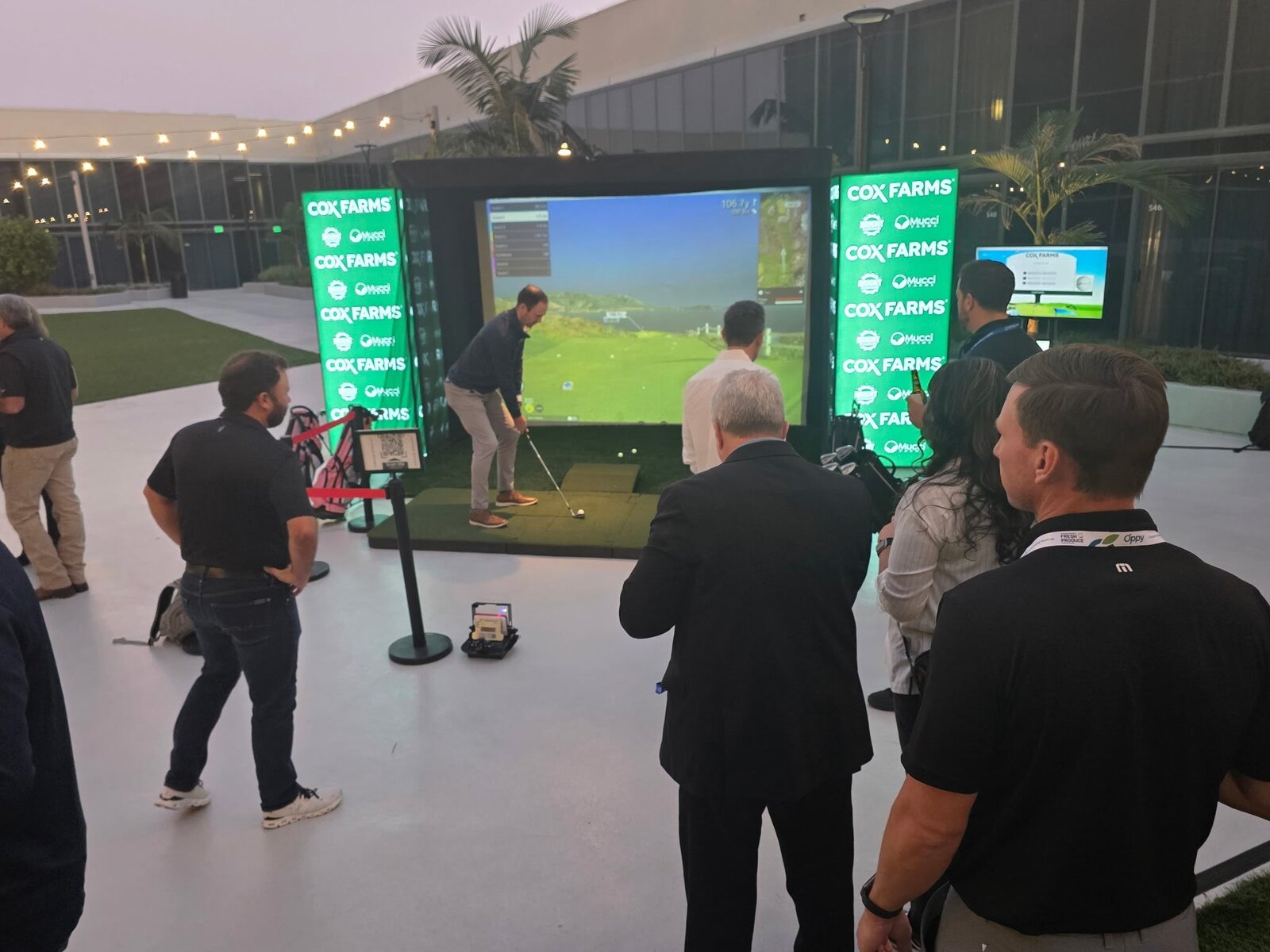
The team works across a wide range of events:
- Charity tournaments (police department fundraisers, community events)
- Corporate golf outings with Fortune 500 companies
- Trade shows with golf simulator demo booths
- Traditional club tournaments and recreational events
- Non-traditional venues like offices and backyard parties
The Business Case
Shane is direct about the economics:
"We don't make money on it. It's just a guest experience. We make the money on the golf simulators."
The scorekeeping is a crowd magnet and a relationship builder. People cluster around a live leaderboard. Event organizers remember vendors who made their event better. The company gets access to events where serious golf enthusiasts—the people most likely to spend $30,000–$80,000 on a home simulator—are already gathered.
"The fact that we're able to offer services that make us more competitive and stand out is definitely a plus. It's a really cool amenity that clients seem to like."
The QR code approach matters here. Under the old monitor-only system, you had to stand at the booth to see the leaderboard. Now participants take it with them, check it from anywhere in the venue, and share it with friends after the event. The leaderboard keeps working long after the contest ends.
Running 15 Events a Month with 5 People
The Simulator Specialists is a small operation—5–6 people total, with a 3-person marketing team. Shane manages scorekeeping at events from his iPhone.
That's only possible because the tool requires zero setup time and no technical knowledge to operate. A lean team can't afford solutions that need specialists.
After two years and hundreds of events:
"I think it's a great application. It is easy to use and it's quick. I wish I could give some negatives for improvement, but honest to God, I cannot. And I don't think anyone at the team can over here because we haven't had any issues or any complaints from clients."
What Makes This Model Work
Most vendors at golf events are selling. The Simulator Specialists are helping—and that distinction changes how organizers treat them, how participants remember them, and how many leads they walk away with.
The live leaderboard is the mechanism that makes this work at scale. It gives participants a reason to engage beyond the swing itself. It gives organizers a professional service they don't have to manage. And it gives the company a reason to be at 15 events per month without a traditional sales pitch in sight.
For anyone running contests at events—golf or otherwise—the approach is worth studying: make the experience better for everyone in the room, and the leads follow.
If you're producing a golf day, charity scramble, or simulator-bay activation for a brand or sponsor — and you want a fully-branded scoreboard the client can put their logo on — we'll build the whole thing for you. See custom event scoreboards.
Ready to create engaging contests at your events? Get started with Leaderboarded for free and see how live leaderboards can draw crowds and generate leads.

Written by Caspar von Wrede
Founder of Leaderboarded. Building tools that help teams track progress and stay motivated.


