Sales Contest Formats: Weekly, Monthly & Quarterly (2026)
Which sales competition format fits your team? Compare weekly, monthly, quarterly, and team-based formats — with real examples for B2B and B2C.
Article Contents
In a classic episode of The Office, Andy devises a point reward system to incentivize his sales team. What starts out as a great idea quickly descends into chaos with arbitrary rewards and unsustainable prizes.
The format and timeframe of your sales contest matters more than most managers realize. You can have great prizes and a motivated team and still run a competition that falls flat — because the contest runs too long, or tracks the wrong metric, or pits people against each other in ways that backfire. While the specific contest ideas matter, the format is what determines whether the whole thing holds together.
This guide covers five proven formats organized by timeframe and team structure, so you can pick the one that actually fits your situation.
 Choosing the right sales competition format begins with understanding your strategic goals
Weekly Competitions: Fast-Paced and High-Energy
Weekly contests work best for B2C sales, inside sales teams, high-volume environments, and any team that needs a quick shot of momentum. The short window creates urgency that longer contests simply can't replicate.
The metrics that work here are activity-based: calls made, demos scheduled, lead qualification rate, first-call resolutions, daily conversion rate. You need things that can move meaningfully within five days.
Rewards should be immediate and modest — gift cards in the $25–100 range, extended lunch breaks, choice of assignments, public recognition. Nobody stays motivated by a prize they won't receive for three weeks.
Most importantly, make standings visible. Update them daily. A digital leaderboard displayed in a common area does more for engagement than any kickoff meeting.
 Short-term goals require fast-paced competitions to keep everyone motivated and on target.
Where weekly contests work
Retail environments with high transaction volume are a natural fit — tracking upsells or add-ons works well when there are dozens of opportunities every day. SaaS teams with freemium models can track free-to-paid conversions effectively at the weekly cadence. Inside sales teams use weekly competitions to push call volume and initial meetings when prospecting is the main focus.
One practical note: align the competition to whatever specific bottleneck your team is facing right now. Pipeline thin? Track new meetings. Close rate lagging? Focus on conversion activities. The more specific the focus, the better.
Monthly Challenges: Sustained Pressure Without Burnout
Monthly competitions hit the sweet spot between urgency and depth. They give salespeople enough time to work through longer sales cycles while keeping motivation from drifting.
The format that works best here: tiered milestones. Reward progress throughout the month, not just the final result. Something like 25% of goal earns a small prize, 50% a medium one, 75% a larger reward, and 100%+ a meaningful prize. This keeps people engaged even if they fall behind early.
Metrics should balance activity with outcomes — opportunities advanced to the next stage, revenue generated, profit margin maintained, new accounts opened, or expansion in existing accounts. Tracking only one of these invites gaming; tracking a combination gives you a fuller picture.
Weekly check-ins sustain the momentum: a Monday kickoff to frame the week, a Thursday progress review, and a proper end-of-month celebration.
Where monthly contests work
Enterprise SaaS is the obvious fit — deals that take weeks but not quarters to close. Professional services firms use monthly targets for new client acquisition or project scoping. Manufacturing reps find monthly cycles align naturally with ordering patterns.
One structural note: the best monthly challenges include both individual and team components. Pure individual rankings favor your top performers; pure team competitions can let weaker performers hide. A hybrid keeps everyone accountable.

Individual vs. Team Competitions: Getting the Structure Right
The decision between individual and team competition is separate from the timeframe question, and it's just as important. Each structure motivates different behaviors.
Individual leaderboards with team aggregation let each rep compete on their own while their points contribute to a collective score. This motivates personal achievement without letting top performers carry the whole team — or leave weaker reps feeling irrelevant.
Team competitions with individual recognition flip the emphasis: teams compete against each other, but standout individual performances still get acknowledged. This is better for collaborative selling environments where multiple people touch each deal. It creates real mentoring pressure — stronger reps have an incentive to help weaker ones, because the team's score depends on it.
Paired competitions match experienced reps with newer ones. This accelerates onboarding, creates accountability, and spreads best practices without formal training sessions. It works especially well when you're integrating a new hire class.
Where team formats work
Complex B2B sales where multiple people work each deal — SDRs, AEs, solutions engineers — are where team competitions shine. Field sales organizations do well with hybrid formats: healthy individual competition combined with team accountability. Companies with recent hires use paired competitions to integrate new salespeople while maintaining productivity.
The caveat: when designing team competitions, balance team sizes and skill levels carefully. Uneven teams disengage fast. The team that feels stacked against them will check out by week two.
 Team competitions build cohesion while driving individual contributions
B2C Competition Formats: High Volume, Low Complexity
B2C environments have shorter cycles, higher transaction volumes, and more predictable buying patterns. The competition mechanics need to match: fast, clear, and simple.
Power hours are a reliable tool here — 1 to 2 hour bursts focused on transaction volume or value, scheduled during your slowest windows to inject urgency when energy is lowest. Finish the hour, award the prize, move on. Immediate gratification is the point.
Flash contests add variety. Announce them with little notice, run them for 24 to 48 hours, keep the objective singular. They break routine and create genuine excitement in ways that predictable monthly contests can't.
Upsell challenges track average transaction value rather than volume — attachment rates for complementary products, average order value, percentage improvement rather than absolute numbers. These run well in parallel with volume-based competitions.
Where B2C formats work
Retail flash contests work especially well during slow periods or to spotlight specific promotions. Call centers use power hours to spike productivity in specific time windows. In ecommerce, upsell challenges align with digital selling where product recommendations exist but still need human follow-through.
Keep the scoring simple. With high transaction volumes, complicated point systems create confusion and resentment. If a rep has to think about how they're being scored, the mechanics have failed.
Seasonal and Quarterly Campaigns: Playing the Long Game
Many businesses have natural rhythms — quarterly business reviews, seasonal demand spikes, annual budget cycles. The most effective competition formats for these environments align with those patterns rather than fighting them.
Quarterly themes with monthly milestones work well: Q1 on new customer acquisition, Q2 on expanding existing accounts, Q3 on retention and renewal, Q4 on closing. Each quarter has a distinct focus, but the milestones keep it from feeling abstract month-to-month.
Seasonal specialization means building competitions around what's actually happening in your industry — holiday preparation for retail, back-to-school campaigns for education, annual budget flush for government and enterprise, tax season for financial services.
Year-long point accumulation — a form of gamification applied to the sales cycle — keeps your best reps engaged across the full cycle. Points earned throughout the year, quarterly recognition, and an annual "championship" at the end. The key is designing comeback mechanics: double-point periods or special challenges that let reps who fell behind early still have a path to the top. Without that, you'll lose people after Q1.
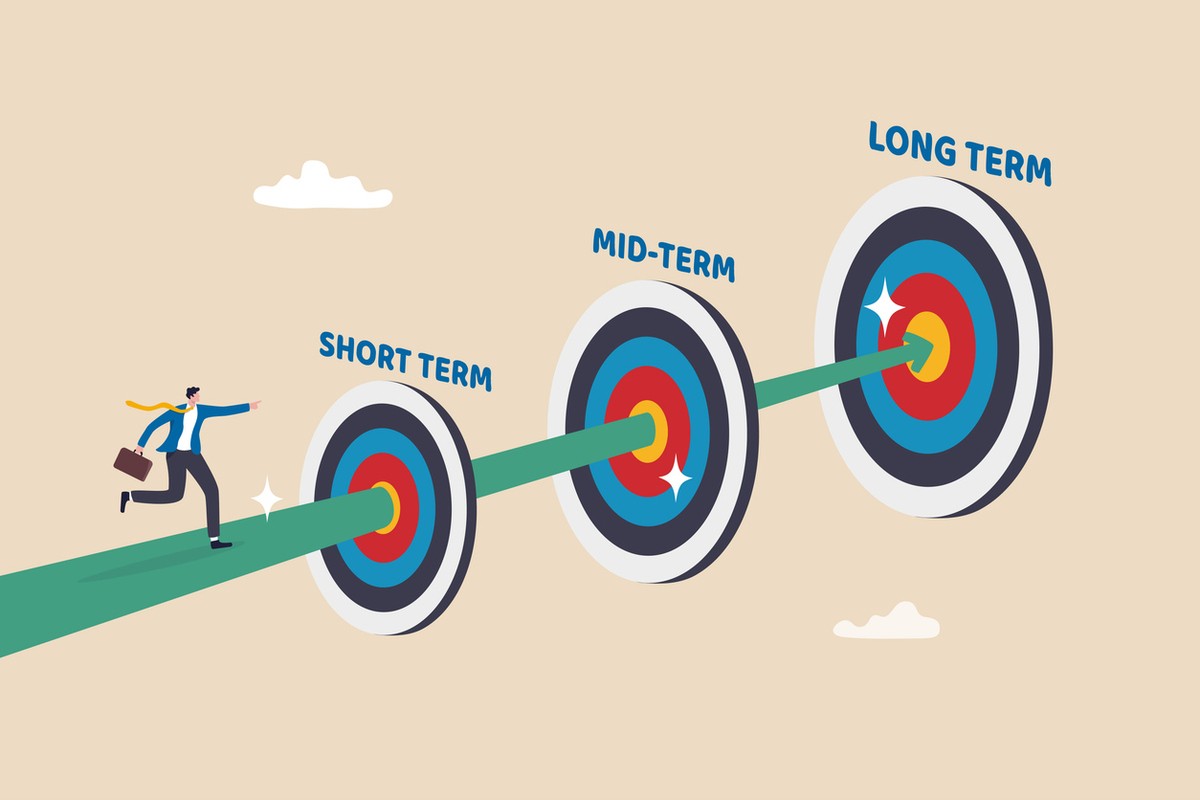
Where seasonal formats work
Financial services is a natural fit — quarterly competitions align with regulatory reporting periods and client review cycles. Construction and real estate track well with weather-dependent business patterns. Enterprise technology sales maps closely onto quarterly budget cycles and procurement timelines.
Choosing the Right Format
The decision comes down to a few factors:
Your sales cycle length is the most reliable signal. If deals close in under a week, run weekly contests. One to four weeks points toward monthly. Anything longer needs a quarterly or seasonal approach.
Team composition shapes the individual-vs-team decision. Diverse experience levels do better with team or paired formats. Similar skill levels make individual competition fair. Collaborative selling — where deals involve multiple roles — points toward team competitions.
Business seasonality determines whether you run a consistent cadence or vary formats to match your busiest and slowest periods. If your Q4 looks nothing like your Q1, your competition structure probably shouldn't either.
Product complexity affects what you measure. Simple products support activity-based metrics (calls, demos). Complex solutions are better tracked by pipeline progression. A mixed portfolio may need tiered competitions with different metrics for different product lines.
Setting Up a Sales Leaderboard
Whatever format you choose, making progress visible is what keeps the competition alive. A leaderboard that reps can check throughout the day — on a shared screen, in Slack, or on their phone — does more for engagement than any announcement email.
 Digital leaderboards make competition progress visible and engaging
Leaderboarded.com lets you build a leaderboard for any of these formats, track whatever metric matters, share it as a link or embed it on a screen, and update scores throughout the contest. You can brand it, add custom themes, and display it on an office monitor without any technical setup. If you're scoping dedicated sales gamification software for a bigger rollout, the same principle applies: pick the format and cadence first, then the tool.
For specific contest mechanics to pair with these formats, see our guide to 8 effective sales contest ideas.
Making It Stick
The competitions that actually change behavior do more than drive short-term numbers. They reinforce process, surface skill gaps, and generate data about what motivates your specific team.
That last part matters more than most managers acknowledge. Track which formats get the most sustained engagement — not just who wins, but whether participation holds up through week three of a monthly contest or through Q3 of a quarterly campaign. That data tells you more about your team than any single result.
Run the competition. See what happens. Adjust the next one.

Written by Caspar von Wrede
Founder of Leaderboarded. Building tools that help teams track progress and stay motivated.