Classroom Reward System: Ideas Teachers Actually Use (2026)
Free classroom reward system ideas teachers actually use — tangible rewards, privileges, recognition. Includes a free online points tracker setup.
Article Contents
 Get students hooked on knowledge with a classroom rewards system.
There's a real motivation problem in classrooms right now. AI tools have made it easy to skip the hard parts — summarizing, analyzing, writing — which means students are also skipping the cognitive work those tasks were designed to build. Critical thinking, persistence, forming your own conclusions: these aren't arbitrary hoops. They're the actual point.
A classroom reward system is one of the most direct tools a teacher has to push back against that drift. The concept borrows from operant conditioning — the idea that behavior followed by positive consequences tends to be repeated. Done well, it shifts students from passive recipients into active participants. Classroom gamification has plenty of research behind it — and a good reward structure is where most teachers start.
A classroom leaderboard pairs naturally with a reward system, giving students a visual way to track where they stand.
Why Reward Systems Work
The case isn't complicated. When students know good behavior and effort lead to something tangible, they pay more attention. That attentiveness creates a better classroom environment, which makes teaching easier and learning more effective. It also gives students a concrete feedback loop — they can see their progress, not just hear about it.
The deeper goal is getting students into what some educators call "explorer mode" — closer to what psychologists call intrinsic motivation: learning as something you pursue rather than endure. Rewards are a bridge to get there, not the destination. Tracking points in the classroom and tracking student progress with digital scoreboards are both worth reading if you want to think through the structure more carefully.
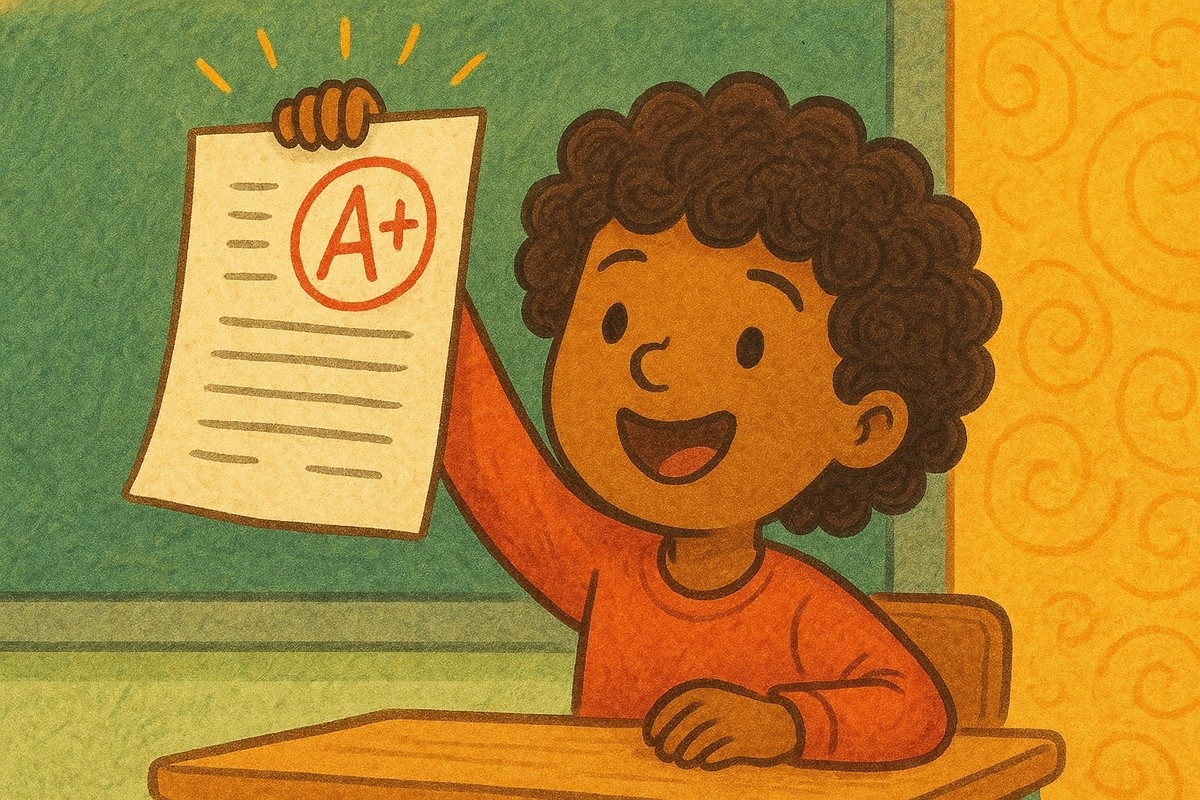 Creating an environment where learning is the real reward is ideal. Use classroom rewards to help you get there!
Types of Classroom Rewards
You know your students better than any guide does. But here are three categories worth considering:
Tangible Rewards
Stickers, gold stars, and small prize boxes work well with younger students who respond to immediate feedback. The key is keeping the reward proportional — it should feel earned, not handed out.
Privileges
For students who want autonomy, privileges can be more motivating than prizes. Letting a student choose the recess activity, take care of the classroom pet, or lead part of a lesson gives them status without a price tag. These work especially well for students who don't particularly care about stickers.
Recognition-Based Rewards
Long-term recognition — certificates, subject-area badges, "student of the month" — works for students who are playing the long game. Reading program leaderboards are a good example of this kind of sustained motivation. A math quiz with leaderboard can do the same for academic achievement in specific subjects.
One system worth calling out: Harry Potter House Points. Students love it, and it combines individual effort with team stakes in a way that's hard to replicate.
 Motivate students to go for gold with exciting rewards.
Designing Your System
Before you launch anything, get clear on the rules. Vague systems create arguments. Here's what to nail down before you start:
Set Clear Criteria
Define exactly which behaviors and activities earn points or rewards. Write them down, share them with students, and stick to them. Inconsistency is what kills these systems — if students can't predict what earns a reward, they stop trying.
Let Students Have Input
Ask students what rewards they'd actually want. You'll get better ideas than you'd come up with alone, and they'll be more invested in a system they helped shape. This also avoids the awkward situation of offering prizes nobody cares about.
Balance Individual and Group Incentives
Not every student shines in the same way. Mixing individual and group activities — and pairing students with complementary strengths — means more students have a realistic path to winning something. It also shifts the culture from pure competition toward teamwork. Classroom Olympics is a good format for this kind of combined approach.
 The types of rewards that you offer your students can mean all the difference between a successful and unsuccessful classroom reward system.
What Classroom Reward Systems Look Like in the Wild
A quick aside on the data behind this. Leaderboarded hosts points tracking for several hundred classrooms, so we get an honest view of class size, points cadence, and which formats survive a term. As of May 2026:
- Around 450 active classroom-format boards at any given time. That's boards being updated week-to-week, not signups.
- Median class size on the board is 8 students. That's lower than a full class because not every teacher tracks every student — many boards focus on reading rotations, math groups, or behavior cohorts. The top quarter sit at 17 students or more (a normal class), and the largest active classroom board has 117 students (a multi-section grade or whole-year setup).
- Format mix is mostly a single ranked list. Around 82% are ranked lists of students with a cumulative point total each. About 8% use a round-by-round format where teachers log a score per session — those average roughly 5–6 rounds per board, mapping to about once-a-week updates through a term. A smaller slice (~4%) are team-based rankings (Harry Potter–style houses, table groups, two halves of the class).
- Activity is sustained, not one-shot. The average classroom board on our platform racks up roughly 300 point events across its lifetime. That maps to a steady drip of small updates — a star here, three points there — rather than one big award ceremony per term.
The pattern that works: a single board the teacher updates throughout the day (or at the end of it), running for at least a full term, with a points cadence small enough that any student can earn one in a given week.
Tracking Points with Leaderboarded
Once your system is designed, you need somewhere to track it. A paper chart works — it's visual and low-tech, which is an advantage for younger students. But a digital scoreboard is more practical for most classrooms. You can update it in real-time, students can check it from their devices, and it stays current without you having to redraw anything.
If you want a simple alternative to ClassDojo or a more flexible classroom leaderboard, Leaderboarded is worth a look. You set up a scoresheet, enter your students' names, and update scores as the term progresses. You can customize the theme, add your own logo, and use dynamic rank styles to highlight top performers with badges or emojis. Each round can be labeled with whatever behavior or activity you're rewarding.
 Once you've decided what behaviors to reward, setting up your scoreboard takes a few minutes.
For regular ideas on using Leaderboarded in the classroom, sign up for our newsletter.
Related Reading
- Classroom points system (XP) - Implement experience points
- Classroom leaderboard - Live tool and setup guide
- ClassDojo alternatives - Behaviour-tracking tools compared

Written by Caspar von Wrede
Founder of Leaderboarded. Building tools that help teams track progress and stay motivated.


