Step Challenge Ideas: Create Your Workplace Fitness Leaderboard
Boost employee health, morale, and productivity with a workplace step challenge. Learn how to plan, implement, and track an engaging fitness competition.
Article Contents
Over 80% of employees with wellness programs report higher job satisfaction, according to a recent study. A workplace step challenge is one of the simplest wellness programs to run: employees track their daily steps over a set period and compete individually or in teams.
This post covers ideas, themes, and how to set one up. For first-party participation data — completion rates, median team size, and what predicts a finish across the workplace step challenges we host — see our team step challenge participation data post.

The concept is straightforward, but the benefits go beyond just getting people moving.
Why Step Challenges Work
Physical Health
Adding just 3,000 steps to your daily routine can significantly reduce blood pressure. Regular walking helps with weight management, boosts the immune system, and eases joint pain.
Mental Clarity
Physical activity improves cognitive function, decision-making, and memory. Increased blood flow to the brain during walks leads to better problem-solving and creativity.
Team Cohesion
Step challenges build community and teamwork. Working toward a shared goal creates stronger relationships and higher morale.
Lower Costs
Healthier employees take fewer sick days. CDC research shows that wellness programs reduce absenteeism and healthcare costs.

Step Challenge Ideas and Themes
The Global Adventure
Divide employees into teams and assign famous landmarks to "reach" by the end of the challenge. Calculate the total steps needed to walk from your office to Paris, Tokyo, or Sydney. Teams race to hit their destination first.
Step Into Fitness
Focus on gradual improvement. Set weekly step targets that increase over time, with rewards at each milestone. Good for groups with mixed fitness levels.
The Charity Challenge
Tie company donations to total steps logged. Employees choose a charity, and each step contributes to the cause. Adds meaning beyond personal fitness.
Department Showdown
Pit departments against each other. Marketing vs. Engineering. Sales vs. Operations. Team competitions add stakes and get more people involved.
How to Run a Successful Challenge
Set Clear Goals
What are you trying to achieve? Improved health, better team bonding, or higher energy levels? Your goals shape the challenge structure.
Start with realistic step targets. Don't overwhelm participants — most people average 3,000-5,000 steps daily. A target of 7,000-10,000 is challenging but achievable.
Create a Budget
Step challenges can run on almost nothing:
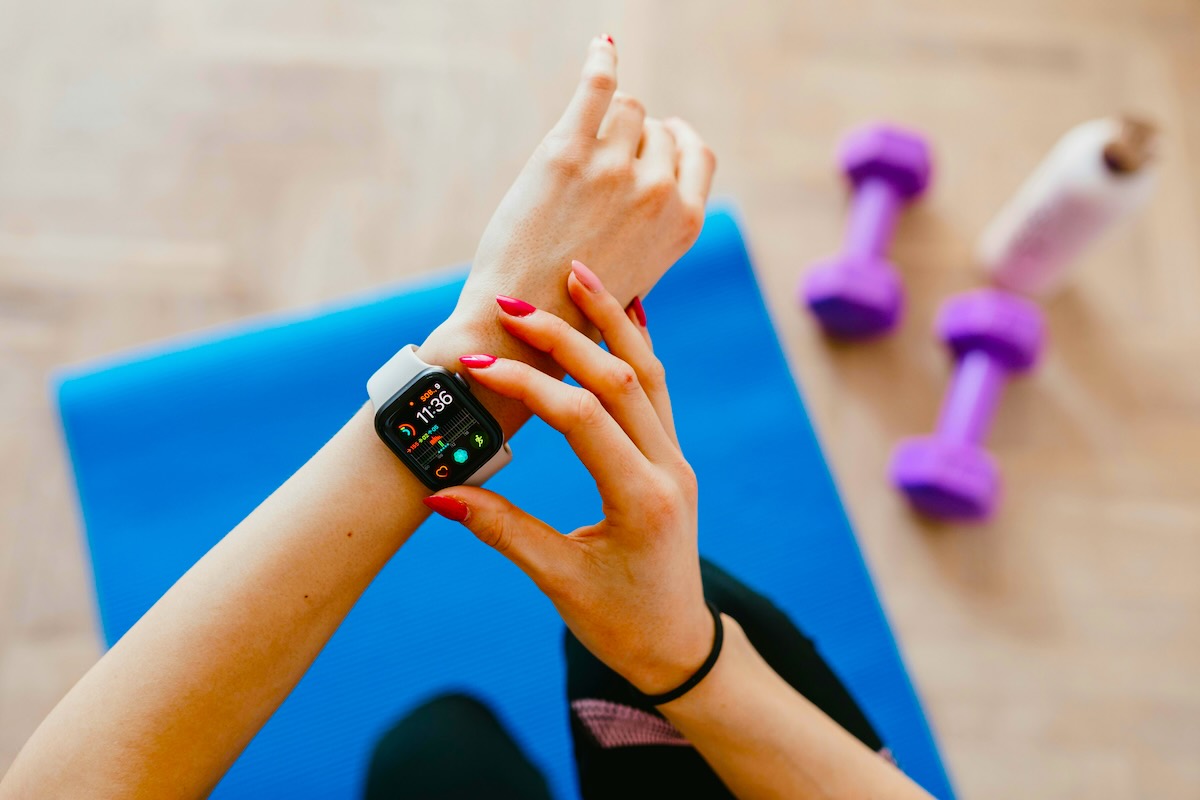
- Free tracking: Most smartphones have built-in step counters. Apple Health, Google Fit, and Samsung Health all work.
- Fitness trackers: Optional, but some companies offer bulk discounts for corporate wellness programs.
- Rewards: Get creative. Extra vacation time, healthy lunch vouchers, or donations to a charity in the winner's name cost little.
Get Leadership Involved
Managers who participate set the example. Form a leadership team and make their progress visible. When the CEO is walking laps at lunch, everyone pays attention.
Include Remote Employees
Remote workers can fully participate using step-tracking apps. Set up a dedicated Slack channel or group chat where everyone shares progress and encouragement.
What Workplace Step Challenges Look Like in the Wild
A quick aside on the data behind this. Leaderboarded hosts the scoreboards for a lot of corporate step challenges, so we get an honest view of size, cadence, and longevity. As of May 2026:
- Active step challenges on the platform range from 4 people to about 85. Median is around 10 participants. About half have 10 or more; the long tail extends past 50. The largest currently active step challenge has 85 employees across multiple offices and has been running since October 2025.
- It's almost always async. Participants log their daily total once a day, usually at the end of the day or first thing the next morning. The leaderboard runs in the background. All-at-once "everyone refresh now" formats basically don't appear in the boards we host.
- Durations are mostly 4–6 weeks. Boards usually appear with a month or season in the title ("April Step Challenge", "Summer 2026"), get heavy updates for the duration, then go quiet. A handful run year-round.
- Multi-office is normal. Office or department names in board titles are common — the format absorbs distributed teams without anyone needing to be in the same room.
The pattern that survives: a 4–6 week window, once-a-day score entry, 10–50 people, multiple offices or departments contributing on the same board. The ones that fizzle are usually the ambitious "every employee across all 14 offices" launches with no daily reminder cadence.
Tracking Progress with a Leaderboard
A visible leaderboard keeps everyone engaged. Seeing your name climb (or watching competitors close in) adds urgency and fun.

Leaderboarded.com works well for step challenges. It doesn't track steps directly — you'll need a smartphone app or fitness tracker for that — but it creates an appealing shared leaderboard you can display in the office or share via link.
Participants track their steps using smartphone apps (Apple Health, Google Fit) or fitness trackers, then the scorekeeper updates the leaderboard weekly with totals. The leaderboard doesn't automatically sync with fitness apps — this keeps it simple and free. Learn more about customization. Step challenges are one format among many — the group fitness challenge page covers the same setup for workout, distance, and gym challenges.
Team Competitions
Create teams for department-based competitions. The platform supports both individual leaderboards and team totals, adding a layer of friendly rivalry.
Making It Stick
The best step challenges become ongoing habits, not one-time events. Consider:
- Running quarterly challenges to maintain momentum
- Varying the format (individual vs. team, distance vs. steps)
- Celebrating wins publicly — announce results in all-hands meetings
- Gathering feedback after each challenge to improve the next one
A workplace step challenge takes minimal effort to organize but delivers real results: healthier employees, stronger teams, and a more engaged workplace culture.

Written by Caspar von Wrede
Founder of Leaderboarded. Building tools that help teams track progress and stay motivated.